
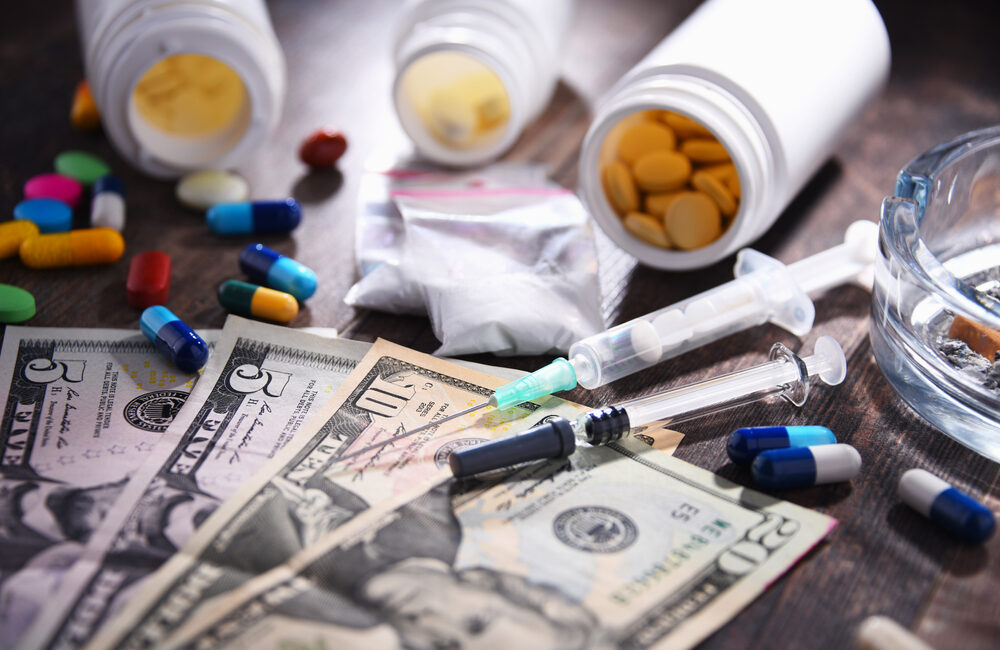
What is a drug trafficking charge in Florida, and how is bail set?
A drug trafficking arrest in Florida can leave both defendants and their families with urgent questions. Many people assume trafficking charges only apply to large-scale drug operations. However, Florida law often focuses on the quantity of a controlled substance rather than whether a person intended to sell it. Understanding how these charges work and how courts determine bail can help families navigate the legal process more effectively.
What Does Florida Consider Drug Trafficking?
Under Florida law, drug trafficking involves knowingly selling, purchasing, manufacturing, delivering, bringing into the state, or possessing certain amounts of controlled substances. The law establishes specific weight thresholds for various drugs. Once the amount reaches a statutory threshold, prosecutors may pursue a trafficking charge even when evidence of drug sales does not exist.
Common substances involved in Florida drug trafficking cases include:
● Cocaine
● Heroin
● Fentanyl
● Methamphetamine
● Prescription opioids
● Marijuana
This aspect of Florida law often surprises defendants and their families. Someone may face a trafficking charge based solely on the quantity of drugs discovered during an arrest.
How is Drug Trafficking Different From Drug Posession?
The key difference often comes down to the amount of the controlled substance involved. Simple possession charges generally involve smaller quantities. When the weight exceeds Florida’s statutory thresholds, law enforcement may instead charge trafficking.
Prosecutors may also examine other evidence, including packaging materials, large amounts of cash, text messages, financial records, or other indicators that suggest distribution activity. However, the drug quantity alone can trigger a trafficking charge.
What Happens After a Drug Trafficking Arrest?
After an arrest, law enforcement transports the defendant to jail for booking. During booking, officials record personal information, fingerprints, photographs, and criminal charges.
The defendant then appears before a judge, usually within 24 hours. During this first appearance, the court reviews the charges and determines conditions for release, including bail when appropriate.
How is Bail Set for Drug Trafficking Charges?
Judges consider several factors when determining bail in a drug trafficking case.
The seriousness of the charge often plays a major role. Higher-level trafficking allegations typically result in higher bond amounts because they carry severe criminal penalties.
Judges review several factors when determining whether a defendant qualifies for bail and what amount is appropriate, including:
● Criminal history
● Prior failures to appear in court
● Employment status
● Family ties
● Connections to the local community
These factors help the court evaluate whether the defendant presents a flight risk or poses a potential public safety concern. In some cases, prosecutors may request stricter release conditions based on the circumstances surrounding the arrest.
Florida courts generally evaluate each case individually. Certain situations may lead to heightened scrutiny, particularly when allegations involve large quantities of drugs, organized criminal activity, or other aggravating factors.
Because trafficking charges carry significant consequences, defendants often benefit from obtaining legal counsel as early as possible.
How 49th Street Bail Bonds Can Help
When a loved one faces a drug trafficking charge, families often need answers quickly. 49th Street Bail Bonds provides professional guidance throughout the bail process and helps eligible defendants secure release as efficiently as possible.
49th Street Bail Bonds has assisted individuals facing a wide range of criminal charges, including serious felony offenses. The agency understands the procedures involved in obtaining bail and works closely with families to explain available options.
Whether someone has been arrested in Pinellas County or another service area throughout Florida, the team remains available 24 hours a day, 7 days a week to provide confidential assistance. A small transfer fee may apply for bonds outside Pinellas County.
If you need immediate bail bond assistance, contact 49th Street Bail Bonds at 727-592-0000.
