What happens to your money?
If you or a loved one faces arrest in Florida, one question comes up immediately: Will you get your bail money back? The answer depends on how you post bail. Florida law treats cash bail and bail bonds very differently, and misunderstandings about that difference often lead to frustration and financial loss.
Understanding How Bail Works in Florida
Courts use bail to ensure a defendant returns for scheduled hearings. Judges, when setting bail, evaluate several key factors before determining the amount.
When setting bail, judges typically consider:
● The severity of the charge
● The defendant’s prior criminal history
● The risk of flight
These factors help the court decide how likely someone is to return and how much risk they may pose. Bail is not a part of the punishment. Instead, it acts as a financial guarantee that the defendant will comply with court requirements and appear for all scheduled hearings.
After someone posts bail, the defendant is released on the expectation that they will attend every court date and follow all conditions set by the court.
Cash Bail: When You May Get Your Money Back
Cash bail requires paying the full bail amount directly to the court. This option often applies when families want to avoid using a third party.
If the defendant attends all court appearances and follows court orders, the court typically returns the bail after the case concludes. However, courts may deduct administrative fees, fines, or court costs from that amount. Florida Statutes Chapter 903 governs these procedures and allows courts to apply funds toward financial penalties before issuing a refund.
If the defendant misses a court date, the court forfeits the entire amount. That loss occurs regardless of the outcome of the case.
Bail Bonds: Why the Money is Not Refunded
A bail bond works differently. Instead of paying the full bail amount, you pay a non-refundable premium, usually a percentage of the total bail, to a licensed bail bonds agency. The agency then guarantees the full bail amount to the court.
That premium functions as a service fee. It compensates the agency for taking on financial risk and managing the release process. Florida law does not allow refunds of this premium, even if the defendant meets every obligation and the case ends favorably.
This distinction remains one of the most misunderstood aspects of the bail system. Many people expect a refund simply because the defendant complied with the court. With bail bonds, that expectation does not apply.
When You Lose Bail Money
Both cash bail and bail bonds carry serious financial consequences if the defendant fails to follow court requirements. Courts and bail bond agencies expect strict compliance, and even one mistake can lead to significant losses or additional legal trouble.
If a defendant does not meet their obligations, the consequences may include:
● Immediate forfeiture of cash bail, meaning the court keeps the full amount and may issue an arrest warrant
● Recovery action by the bail bond agency, which may involve pursuing the full bail amount, working with recovery agents, and enforcing any collateral agreements
● Violations of release conditions, such as breaking travel restrictions or no-contact orders, can lead to forfeiture and additional charges
Understanding these risks upfront can help families make informed decisions and avoid costly mistakes during the bail process.
Why Many People Choose Bail Bonds
Most families choose bail bonds for their affordability and speed. Paying a percentage of the total bail often makes release possible when paying the full amount would create financial hardship.
Additionally, experienced agencies also navigate local jail systems efficiently. They understand facility procedures, which helps speed up the release process. Understanding the difference between cash bail and bail bonds helps you make informed decisions during a stressful time. Cash bail may be returned to you if the defendant meets all requirements. Bail bond premiums do not return, but they provide access to release when full payment is not realistic.
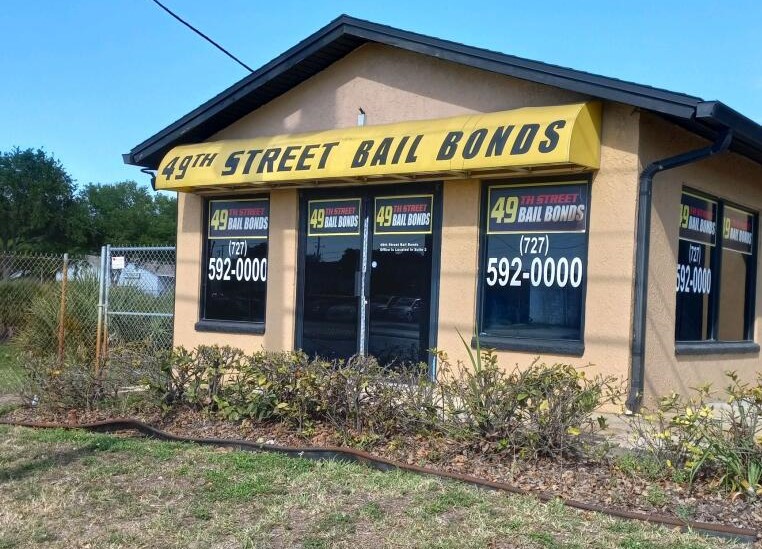
49th Street Bail Bonds supports individuals and families facing difficult legal situations, including arrests for offenses such as shoplifting. The agency works quickly to secure release while guiding clients through each step of the process.
With years of experience, the team at 49th Street Bail Bonds handles a wide range of cases across multiple Florida counties. They provide clear explanations, 24/7 availability, and dependable service when timing matters most. Whether someone faces a minor charge or a more complex situation, their expertise helps reduce confusion and move the process forward.
For more information on bail bonds in Clearwater and Pinellas County, Florida, call us at 727-592-0000. We bond for most charges including, drugs and drug trafficking, domestic violence, aggravated assault, battery, road rage, DUI, DWI, boating under the influence and other charges.