
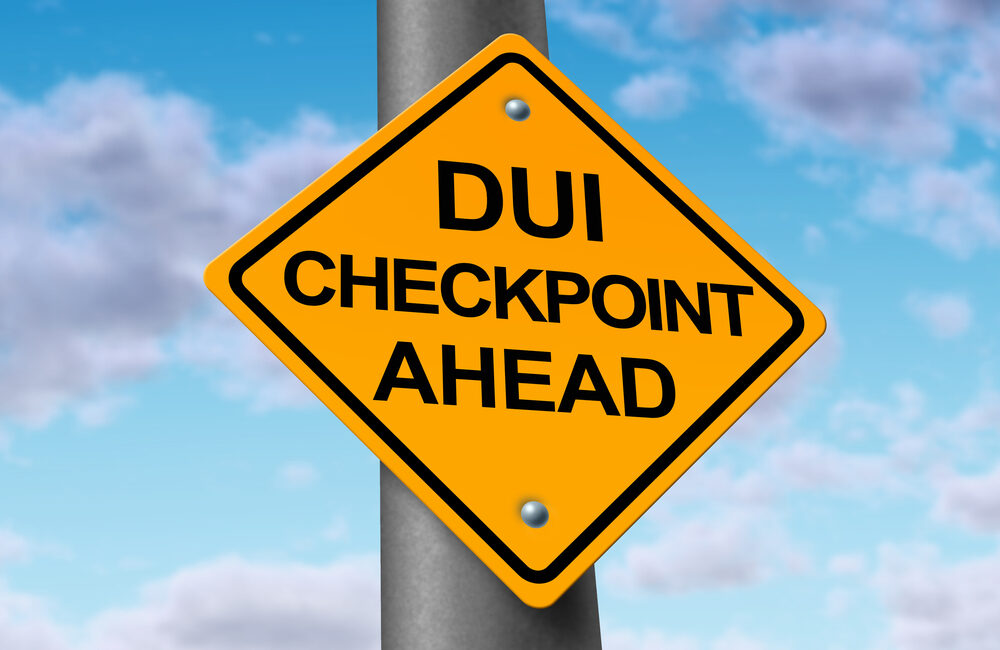
A DUI arrest in Clearwater can leave you or your family member receiving a late-night phone call with plenty of questions. Where will you go? When can you leave jail? What happens to your driver’s license? And does posting bail mean the case is over?
Understanding what happens during the first several hours can help you navigate the process without confusing an arrest with a conviction.
What Can Lead to a DUI Arrest in Florida?
Under Florida Statute § 316.193, a person can face a DUI charge when driving or in actual physical control of a vehicle while impaired by alcohol or certain chemical or controlled substances. Florida law also establishes a DUI threshold of .08 or higher for blood-alcohol or breath-alcohol level.
That distinction matters. A DUI case doesn’t always depend solely on whether a breath test produces a number above .08.
During a suspected DUI investigation, law enforcement may consider the circumstances surrounding the stop, the driver’s behavior and other observations. Depending on the situation, an investigation may also involve field sobriety exercises and breath, urine, or blood testing.
What Happens After a DUI Arrest in Clearwater?
Following an arrest, the process moves from the roadside to booking and determining when the person qualifies for release.
You May Not Leave Jail Immediately
Florida places specific restrictions on releasing someone arrested for DUI. Under § 316.193, a person arrested for DUI may not leave custody until:
● The person is no longer impaired;
● Their blood- or breath-alcohol level falls below .05; or
● Eight hours have passed since the arrest.
This requirement can confuse families. Arranging a bond does not necessarily mean someone arrested for DUI can walk out of jail immediately.
Booking and Bail Come Next
The arrested person must also move through the jail’s booking process. If the case qualifies for release on bail, a bail bond agent can help arrange a surety bond.
A bail bond does not resolve the DUI charge. Under Florida law, a bail bond creates an obligation designed to ensure that the defendant appears at subsequent criminal proceedings.
When contacting a bail bonds agency, having the person’s full legal name, date of birth, county of arrest, and available booking information can make it easier to identify the correct person and charge.
What Happens To Your Driver's License?
The criminal DUI case and the administrative driver’s-license process are separate issues.
For qualifying administrative DUI suspensions, the Florida Department of Highway Safety and Motor Vehicles provides a limited period to seek review. FLHSMV materials state that a written request for a formal or informal review generally must occur within 10 calendar days of the suspension or disqualification notice.
Because deadlines can matter, someone arrested for DUI should carefully review all paperwork received following the arrest and consider promptly consulting a qualified Florida DUI attorney about the criminal and licensing issues.
What Happens After You Get Out of Jail?
Release marks the beginning, not the end of the case.
The defendant must follow any conditions of release and attend required court proceedings. Potential consequences vary significantly according to the facts of the case. Florida law considers factors including prior DUI convictions, elevated alcohol levels, whether a minor was in the vehicle, and whether the incident involved property damage, serious bodily injury, or death.
Posting bail should never get confused with determining guilt or innocence. Bail addresses pretrial release while the criminal case continues.
What happens after an arrest? Read our blog for more information.
How 49th Street Bail Bonds Can Help
When someone gets arrested for DUI in Clearwater, families often need help understanding the immediate release process while dealing with an already stressful situation.
49th Street Bail Bonds provides bail bond assistance 24 hours a day. Our agency helps individuals and families navigate bail for DUI arrests and other legal situations while providing confidential, professional service.
49th Street Bail Bonds also assists with bonds involving the Pinellas County Jail and several other Florida county jails. A transfer fee applies to bond premiums for jails outside Pinellas County.
If you or someone you know needs bail bond assistance following an arrest, call 49th Street Bail Bonds at 727-592-0000.
This article provides general information and does not constitute legal advice.

